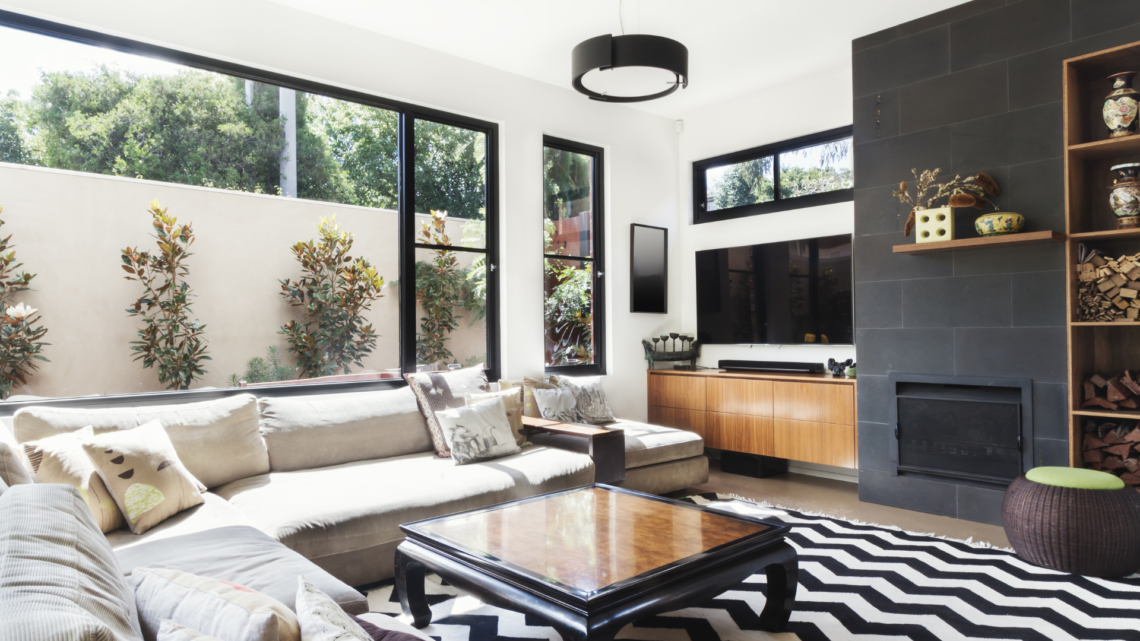
How to Plan a Lighting Scheme for Your Living Room
You have a newly laid out living room, or you’ve just moved into a new home. You now have the potentially mammoth task of figuring out how you want to lay out your living room. While actually planning out what you want in your room, that will probably make a statement in the space for a long time, can feel easy, putting it together in practice can be trickier.
Oftentimes what you have in your head might look ideal in your living room but it could turn out to be a bad investment. Lights can look smaller in your mind, then when they’re set up they could really swallow up the room. Similarly with more artistically designed lights – they probably look great on the display but in your living room could look garish.
Planning out a lighting scheme can therefore feel a lot more complicated than we thought. But there are a few ways you can actively plan a good light set up in your living room that works well.
Focus on ambience
Take a step back and look at the room as it is. Are you looking for darker tones in among the light, or are you keen to have more of a spotlight appeal? Ambience is very popular and ensures you don’t have too many bright lights in a room, causing problems for your eyesight and your head.
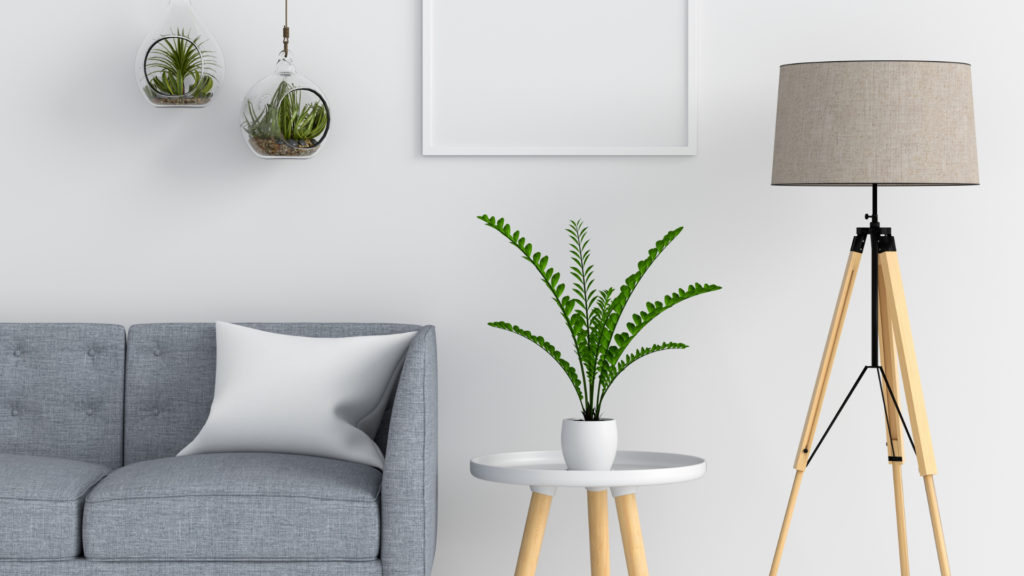
A long, tall lamp in the corner of the room has been very popular as the only light source in a room. If you have white walls (or another bright colour) then it might be all you need. If you have opted for darker colours or an accent wall then you might need a small collection of lamps instead. Use tables or behind sofas to add in dimly lit lights to your surroundings. If you want a really rustic feel, candles can bring about an entirely different atmosphere.
Use one statement light
When we say statement light we mean a hanging light that is the showstopper. It could be a chandelier or a light shade that opens out, but it brings the room together and brightens the space. Bocci lights are a good example of a company that really tailors to the statement piece, with stunning displays that almost work as its own art gallery. A low-hanging light shade can also bring out the space in a different way, much like using a freestanding light in the walkway.
Go for function
Functional lights do exactly as described – serve their purpose and are used to complete a task. A living room will serve as an iconic area of the home where many memories are made, but it can still benefit from functional lighting.
An example would be having LED light strips behind the television, which also cater to an ambient feeling in the room. You could have a selection of smaller lamps on tables, or even underneath a coffee table pointing upwards to highlight their uses. The risk with this is if you move things around quite often, which is when the use of these lights changes. It will be down to your own use of the living room and how it will bring you and the room together.
Factor in other elements
There’s the final consideration to think about with living room lighting – the other elements of the room. Do you have a lot of bookcases you want to set up in the room, or will it be more of a set up station for video games and other entertainment? A modern light setup might not look as good paired with antique displays and exposed wood units, or if you have a fireplace that you actively use.
Consider these elements as well when it comes to looking at your lighting. There are certain things that can shape the entire feeling of a room if the lighting isn’t right, from the mood to the style you want your living room to be in.


You May Also Like
Why You Should Consider Renovating Your Kitchen

Helping Your Child Prepare for Results Day