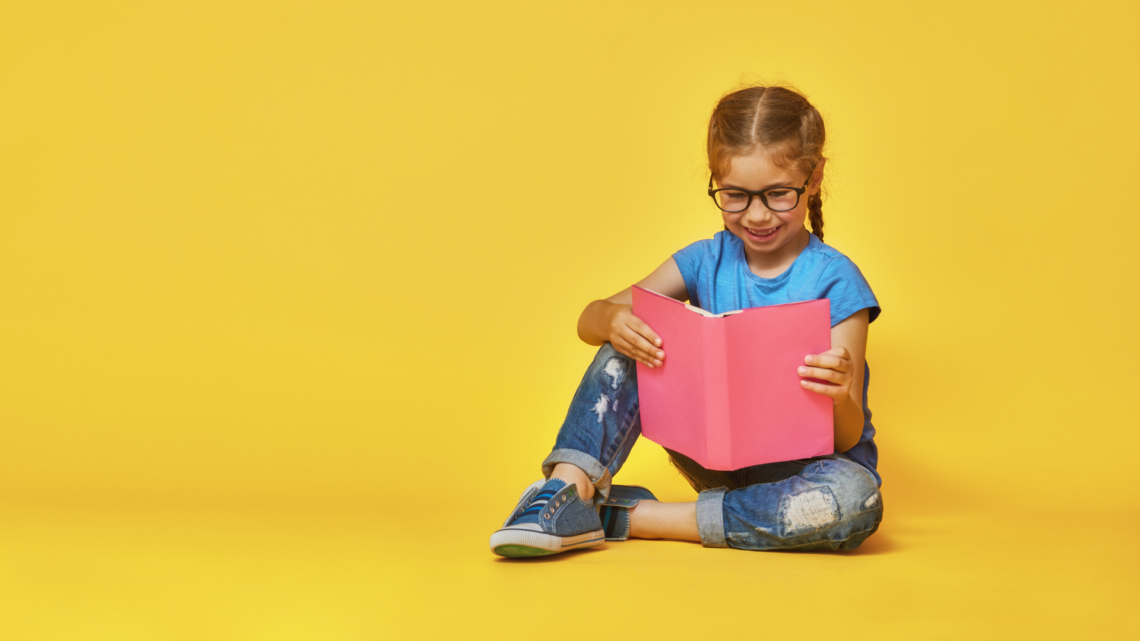
How to Identify My Child’s Learning Style
The best piece of advice for children sitting their exams is to prepare at the earliest chance possible. It will ensure that they have enough time to revise course content, work through their weaknesses and get the support they need ahead of their exams. However, what’s arguably more important is that they know their learning style and how they learn best so that the time they spend revising is effective. According to experts there are three common ways that we all learn. For some of us it’s through visual means, sound/verbal instructions, and others through hands-on exploration. To learn more about the three learning styles and how you can support your child with their learning, below is some guidance from a private school in Dublin.
Visual Learning
Visual learners learn through sight. As they are more visual and enjoy diagrams and illustrations, it is important they have the means to layout and present their work. Highlighter pens are a great tool for pulling out key pieces of information and making them more apparent. Post it notes and mind maps are other ways in which they may decide to make notes.
Kinaesthetic Learning
This learning style can be a little more challenging to cater to as those that fall in this category learn best through hands-on activities. While every topic won’t necessarily lend itself to an experiment or practical, you can try turning topics they are learning about into fun games. Also having breaks and short “study bursts” can help hold their attention and keep them engaged. It’s easy to get carried away with breaks and end up falling behind so be sure to create a revision schedule that you both agree on for when they will engage in focused study and resume their learning.
Auditory Learning
This type of learner remembers by hearing things explained out loud. What can help them remember key points is hearing them repeated and adjusting your tone of voice. For a child with an auditory learning style, we’d recommend audio books, podcasts, and videos that they can listen to. These are also things they can create themselves using their phone, or they can simply talk through points and repeat them as many times as necessary.

What Else May Help
What can also help children is sitting close to the front, particularly for those with a visual and auditory learning style as it means that they are able to see and hear what they need to clearly. This is something that you might want to discuss with their teacher to see if they can be moved closer to the board. The internet will also be your best friend when it comes to finding revision exercises as there is a plethora of pre-made resources online and video tutorials that children can watch to revise.
How to Work Out Which Your Child Has
To identify your child’s learning style, pay close attention to how they respond to tasks, their interests, the sorts of things they enjoy and see which of the three groups they can be categorised into. Alternatively, there are many tests online that can help. What you will find is that there might not be a clear-cut answer that you get. It is quite possible for children to have a combination so you may need to explore a few different types of activities to see what works best.
These are just a few pointers to give you an idea of the different learning styles and how you may support your child. What works for one person may not work for another so it’s important that you pay attention to how they find things.


You May Also Like
3 Reasons Why You Need a Lift-Top Coffee Table

Setting Up the Perfect Study Space for Your Child