
Teaching Your Child to Resist Peer Pressure
At a young age children become aware of what other people think, which can be both a good and bad thing. When the influences they have around are good, it can motivate them to act in a similar way and adopt good behaviours. However, when they are negative, children can feel pressured to act in the same way or pick up the same habits in order to fit in. What’s important is that your child can make logical choices for themselves and that they have a strong sense of right and wrong. In this post we share guidance from a prep school in Northwood on teaching children to resist peer pressure.
Their Moral Compass
For your child to make good decisions and steer clear of negative influences, it’s vital that you instil good morals. This work should start in early childhood and be reinforced through parenting and the example you set.
Staying Away from Certain Environments
Children can also avoid falling into situations by staying away from certain environments, for example, being around others they know aren’t good role models or where trouble takes place.
Role Play Situations
So that they are prepared, you can role play for the sorts of situations they will face. They can practise saying no and what they might say.
How Else They Can Say No
If your child struggles with saying no, you can explore other ways of resisting peer pressure such as suggesting alternatives or simply walking away from the situation. It’s okay to not want to get involved and walk away as it demonstrates maturity and more importantly will help them to avoid unnecessary issues and pressure.
Build Their Self-Esteem
As it comes from the need to fit in, helping your child develop their self-esteem and identity can make them become less vulnerable to peer pressure. Start by helping your child know how great they are as that can build a positive self-image and allow them to feel confident within themselves.
Thinking About the Future
As well as the role their friends play, children need to take accountability for their actions and understand that they have a choice. The choices they make will affect their future and regardless of those around them, they will need to be smart with those they make by questioning what could happen later down the line. You can help your child to think about the decisions they make by teaching them to do so at an early age.
Trusting Their Instincts
They should also always go with what their gut is telling them. It can never lead them far wrong and if there’s something they are doubtful of, they should not ignore it. A good friend would appreciate this and not push others to do anything that they are uncomfortable with.
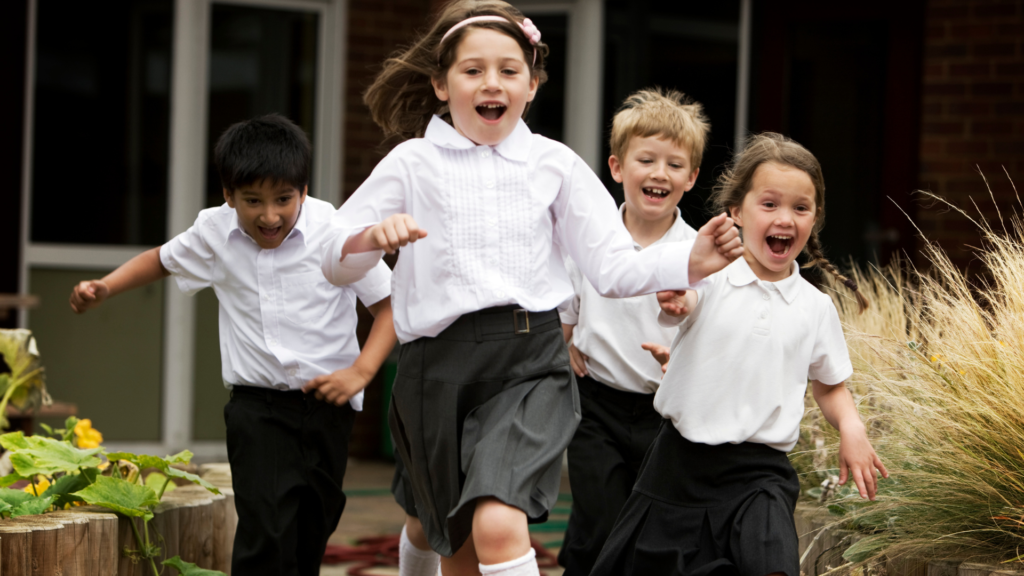
How to Pick Their Friends
If you’re worried about your child falling into the wrong crowd and struggling with peer pressure, you can teach them about what to look for in a friend as well as the tell-tale signs of a toxic friendship.
Understanding
Above all children need understanding and to have a relationship with their parents where they can go to them with anything that’s bothering them. While it might seem silly, try to put yourself in their shoes. When young, children are impressionable and everything that their friends think matters. However, they must learn that their actions have consequences, and they will be the ones dealing with them and not their friends. You will need to be firm, yet fair, and create a safe space so that you can offer them help should they find themselves in a difficult situation.


You May Also Like

How to Foster Your Child’s Creative Side

How to Raise an Inquisitive Child