
When School Gets Tough: How to Talk to Your Child About Mental Health
As children progress through school, it’s natural for them to encounter challenges—academic pressures, social dynamics, or just the emotional toll of growing up. But when these challenges start to affect their wellbeing, knowing how to talk to your child about mental health becomes essential. The earlier we start these conversations, the more comfortable they’ll be asking for help when they need it.
Spot the Signs Early
Like this prep school in Hertfordshire, before starting any conversation, it’s important to be aware of the subtle signs that something might be wrong. Not all children will openly say they’re struggling. Changes in behaviour—such as sudden mood swings, withdrawal from friends or family, disrupted sleep, or a decline in school performance—can all signal emotional distress.
Keep an eye out for physical symptoms too. Headaches, stomach aches, or general fatigue can often be linked to stress or anxiety, particularly if no medical cause is found. By recognising these signals early, you can approach the subject with understanding rather than alarm.
Create a Safe and Open Environment
Children are more likely to open up if they feel safe and listened to. Choose a calm, quiet time to talk—perhaps during a walk, in the car, or while doing an activity they enjoy. Try to make it feel like a natural conversation rather than an interrogation.
Let them know you’re there to support them, no matter what. Phrases like “I’ve noticed you’ve seemed a bit down lately—do you want to talk about it?” are often more effective than a direct “What’s wrong with you?” Stay calm, even if what they say is worrying; your steady response will reassure them.
Listen Without Judgement
When your child does open up, resist the urge to immediately offer solutions. Instead, listen carefully and acknowledge their feelings. Try not to minimise what they’re going through—even if their worries seem small from an adult perspective, they’re very real to them.
Use active listening techniques such as nodding, reflecting their words back, and saying things like “That sounds really tough, I’m sorry you’re feeling like that.” These responses show empathy and encourage further honesty.
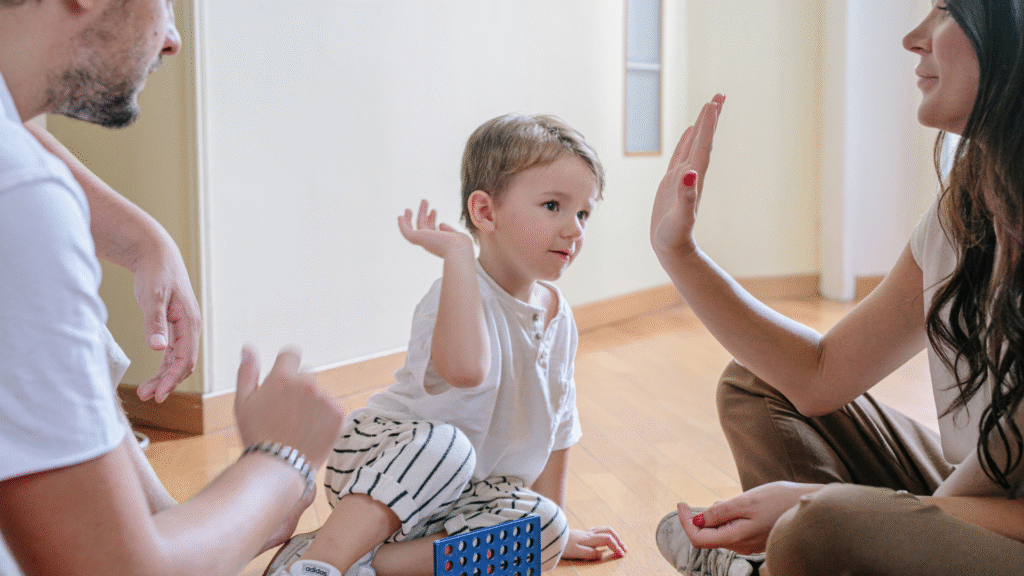
Talk About Mental Health Openly
Normalising conversations around mental health helps reduce the stigma and gives children the language to describe how they feel. Explain that just like we all have physical health, we all have mental health—and sometimes it needs extra care.
You can use stories, books, or age-appropriate resources to explain things in a relatable way. For older children, discussing real-life examples (from public figures or even yourself) can help them feel less alone.
Know When to Seek Help
While many emotional challenges can be managed through conversation and home support, sometimes professional help is needed. If your child’s distress persists or worsens, consider speaking to their school’s pastoral care team, your GP, or a qualified counsellor.
Reassure your child that asking for help is a sign of strength, not weakness—and that they don’t have to face things alone.
Having open conversations about mental health with your child doesn’t have to be daunting. By listening with empathy, creating a safe space, and taking their concerns seriously, you’re laying the foundations for lifelong resilience and emotional awareness.


You May Also Like

How to Raise a Resilient Child

The Benefits Of Journalling For Children