How Craft Activities Build Fine Motor Skills
Craft activities are more than just a fun way to pass the time — they play a vital role in supporting children’s fine motor development. From early years through to primary age, activities such as cutting, colouring, threading and modelling help children build the small muscle strength and coordination they need for everyday tasks and learning at school.
What Are Fine Motor Skills?
Fine motor skills involve the use of small muscles in the hands, fingers and wrists, working alongside the eyes. These skills are essential for tasks such as holding a pencil, fastening buttons, tying shoelaces and using cutlery. Strong fine motor control also supports writing, drawing and independent self-care, making it a key area of development in early childhood.
Why Craft Activities Are So Effective
Craft activities naturally encourage repeated, purposeful hand movements in a way that feels enjoyable rather than instructional. When children engage in creative tasks, they are often highly focused, which allows them to practise fine motor movements without realising they are developing an important skill.
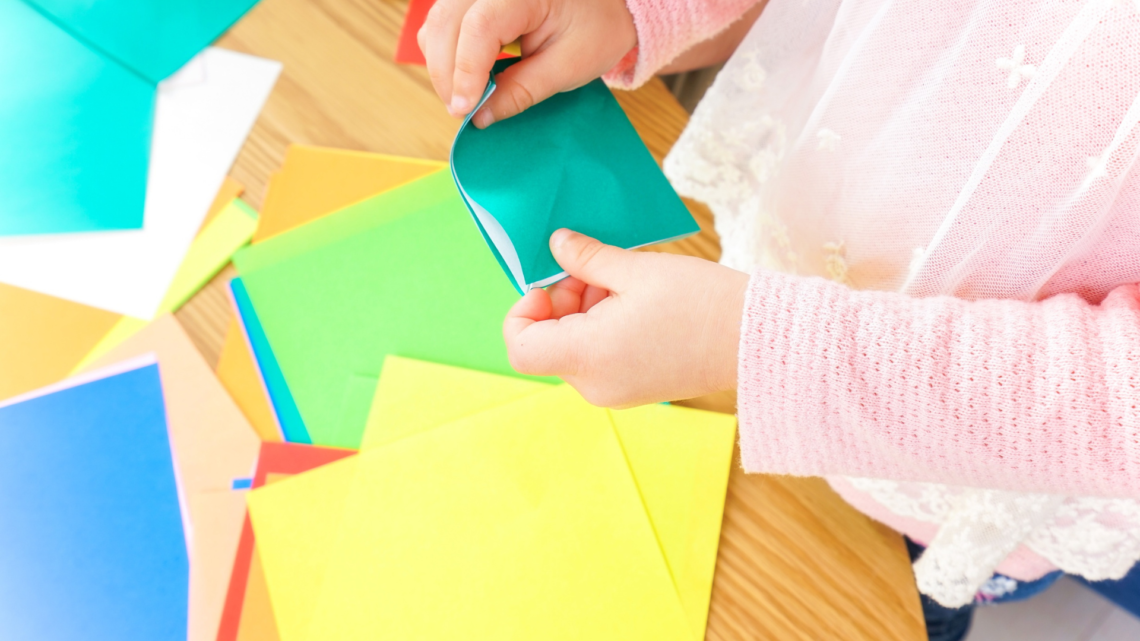
Using tools such as scissors, paintbrushes, glue spreaders and crayons strengthens hand muscles and improves grip control. At the same time, activities like folding paper or rolling clay help children develop precision and control through small, deliberate movements.
Key Craft Activities That Support Development
Different craft activities support fine motor skills in slightly different ways:
- Cutting and snipping with scissors helps develop hand strength and bilateral coordination, as children learn to use both hands together.
- Drawing, colouring and painting encourage pencil grip development and control, supporting early writing skills.
- Threading beads or lacing cards improves hand-eye coordination and finger dexterity.
- Playdough and clay modelling strengthen finger muscles through squeezing, pinching and rolling.
- Sticking and collage work helps children practise careful placement and controlled hand movements.
By offering a range of craft activities, children can develop these skills holistically and at their own pace.
Supporting Concentration and Confidence
In addition to physical development, craft activities also support concentration and perseverance. Completing a craft project requires focus, planning and problem-solving, all of which contribute to a child’s overall learning readiness.
Successfully finishing a task — whether it’s cutting out a shape or creating a simple model — builds confidence and a sense of achievement. This positive experience encourages children to try new challenges and develop greater independence.
Encouraging Craft at Home and in School
Craft activities are easy to incorporate into daily routines, both at home and in educational settings. Simple materials such as paper, crayons, glue and recycled items can provide rich learning opportunities without the need for expensive resources.
Providing children with time, space and encouragement to explore craft activities supports not only fine motor development but also creativity and self-expression. Most importantly, it allows children to learn through play, laying strong foundations for future academic and practical skills.


You May Also Like

Building Healthy Self-Esteem in Children

How to Support Your Child with their Exam Revision