What Every Parent Should Know About School Milestones
As children grow, they reach important developmental and educational milestones that help shape their learning journey. Understanding these milestones can guide parents in supporting their child’s growth, identifying potential challenges early, and celebrating achievements along the way.
Early Years: Foundation of Learning
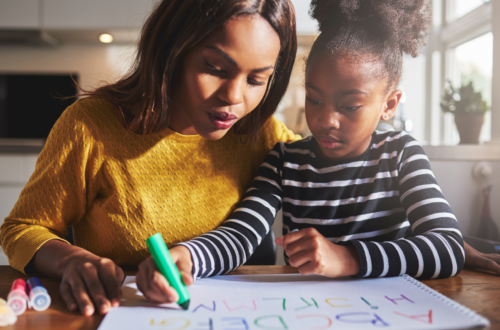
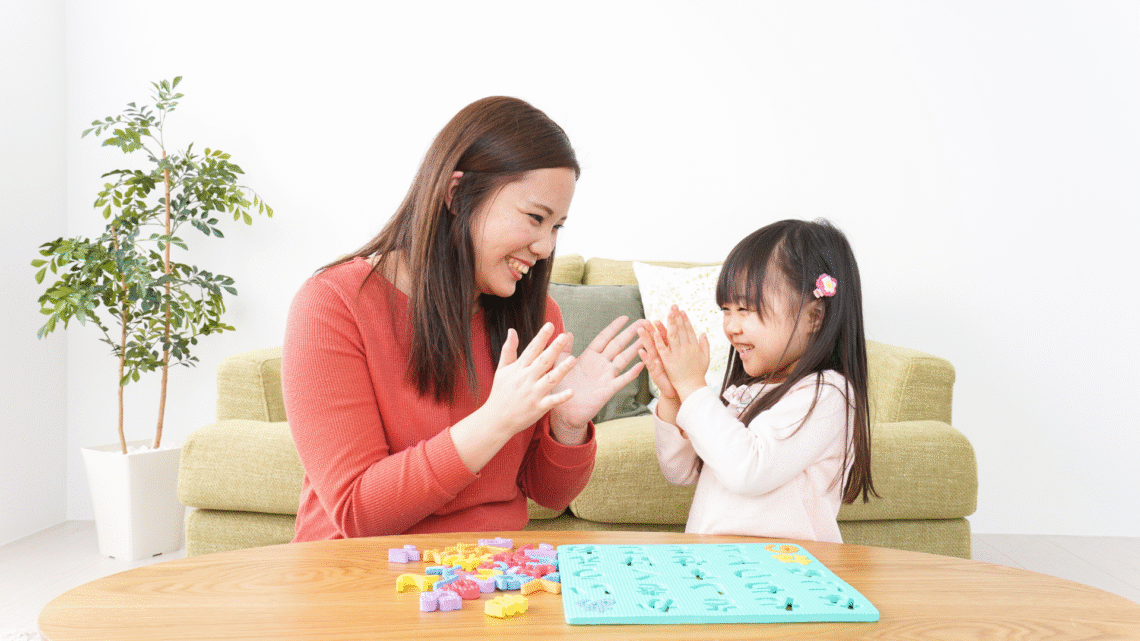
The early years, from ages 3 to 5, are crucial for building social, emotional, and cognitive skills. During this stage, children typically learn basic literacy and numeracy skills, such as recognising letters and numbers, counting objects, and following simple instructions. Social milestones, including sharing, taking turns, and forming friendships, are equally important.
This independent school in Switzerland suggests that parents can support early learning by reading together daily, encouraging imaginative play, and providing opportunities for structured group activities. Early engagement in these skills sets a strong foundation for primary education.
Primary School Milestones
From ages 5 to 11, children begin primary school and face new academic and social challenges. Key milestones include developing reading fluency, improving writing and spelling, understanding basic mathematics, and learning to solve problems independently.
Socially, children start to navigate friendships more complexly, develop empathy, and learn to manage emotions in a school setting. Parents can support these milestones by maintaining regular communication with teachers, fostering a routine for homework and reading, and encouraging participation in extracurricular activities that build confidence and teamwork.
Secondary School Milestones
Secondary education, covering ages 11 to 16, is a period of significant intellectual and emotional growth. Children start to think critically, analyse information, and form their own opinions. Academic milestones include mastering subjects like science, history, and mathematics at a deeper level, while preparing for national exams such as GCSEs.
Emotionally, teenagers face new challenges in self-identity, peer relationships, and independence. Parents can help by providing a supportive environment for discussions about school, future aspirations, and personal challenges. Encouraging organisation, study skills, and goal-setting can also help students manage increasing academic demands.

Recognising Special Needs and Challenges
Not all children progress at the same pace, and some may experience learning difficulties or developmental delays. Early identification of issues such as dyslexia, ADHD, or social-emotional challenges can make a significant difference. Parents should work closely with teachers and specialists to ensure appropriate support is in place, helping children reach their full potential without feeling left behind.
Celebrating Achievements
Acknowledging milestones, no matter how small, helps build a child’s confidence and motivation. Celebrating achievements can range from praising progress in reading, supporting participation in school competitions, to recognising efforts in social development. Positive reinforcement encourages children to embrace challenges and develop a lifelong love of learning.
School milestones are more than just academic benchmarks—they encompass social, emotional, and personal growth. By understanding these milestones, parents can provide the guidance, support, and encouragement children need to thrive both in and out of the classroom. Being proactive, involved, and aware of each stage in your child’s development ensures they receive the best possible start in their educational journey.


You May Also Like

How to Plan a Lighting Scheme for Your Living Room

Teaching Your Child to Resist Peer Pressure