
Teaching Your Child to Resist Peer Pressure
As children grow, they naturally seek acceptance from their peers. Friendships become more influential, especially during the teenage years, and the desire to “fit in” can sometimes lead them down a path they wouldn’t otherwise take. Whether it’s experimenting with behaviour, avoiding homework, or mimicking risky trends, peer pressure can affect children in ways both big and small.
As a parent, you can’t always shield your child from these pressures—but you can equip them with the confidence and skills to make their own choices. Here’s some advice from an Independent School in Leatherhead.
1. Start with Open Communication
From an early age, encourage honest and non-judgemental conversations. Make it clear that your child can talk to you about anything—good or bad—without fear of punishment or criticism. When children feel safe expressing themselves, they’re more likely to seek your advice when faced with tricky situations.
2. Teach the Value of Individuality
Help your child understand that being different isn’t something to hide—it’s something to celebrate. Emphasise that it’s okay to say “no” and that true friends will respect their choices. Role models from books, sports, or history who stood out from the crowd can be great discussion starters.
3. Practise Scenarios Together
One of the most effective ways to prepare your child is through role-play. Talk through situations they might face—being encouraged to skip school, join in on teasing someone, or try something unsafe. Let them practise saying “no” firmly, using humour to deflect, or simply walking away. Rehearsing these responses can build confidence for the real thing.
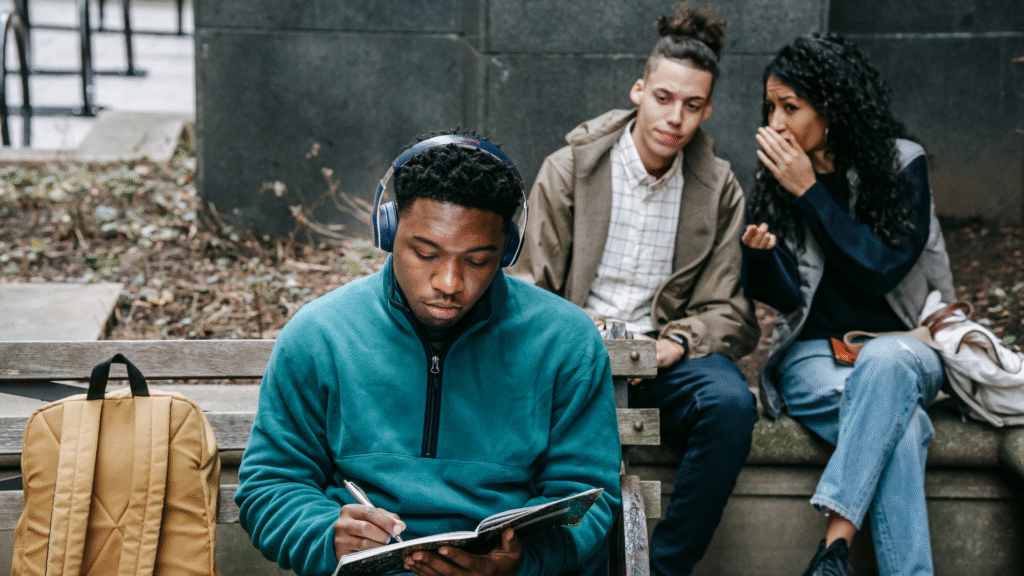
4. Boost Self-Esteem Through Responsibility
Children with healthy self-esteem are better able to resist peer pressure. Give your child responsibilities at home and praise them for their efforts and decisions. Involve them in decision-making—from choosing meals to helping plan family outings—so they feel their voice matters.
5. Know Their Friends and Environment
Stay involved in your child’s social life. Get to know their friends, speak with other parents when appropriate, and be aware of online influences. If you notice changes in behaviour, mood or language, it could be a sign they’re struggling with peer dynamics.
Resisting peer pressure is a skill that takes time and support to develop. By nurturing open dialogue, building self-confidence, and practising assertiveness, you empower your child to make decisions that reflect their values—not someone else’s. Most importantly, remind them that being true to themselves is far more powerful than following the crowd.


You May Also Like
The Benefits of Summer School for Children

How to Raise a Lover of Science