
The Art of Balance: Managing School, Hobbies and Downtime
In today’s fast-paced world, students often find themselves juggling school, hobbies, social lives, and personal downtime. While being busy can be exciting and fulfilling, it can also become overwhelming if not managed carefully. Striking the right balance is crucial for academic success, personal growth, and overall wellbeing.
Understanding the Importance of Balance
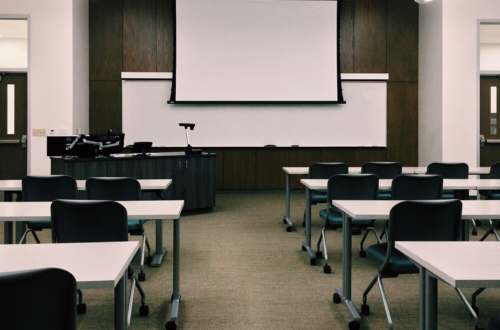
Balancing school, hobbies, and downtime is more than just scheduling tasks—it’s about creating a lifestyle that supports mental, emotional, and physical health. Like this private school in Dublin, schoolwork demands focus and discipline, hobbies nurture creativity and skill development, and downtime allows for rest and reflection. Each element plays a vital role in shaping a well-rounded and resilient individual.
Without balance, students can experience stress, burnout, and even a loss of motivation. Overloading on schoolwork or extracurricular activities may seem productive in the short term, but it often leads to exhaustion. Similarly, too much downtime without structure can reduce focus and productivity. Recognising the value of each aspect is the first step toward effective time management.
Prioritising School Responsibilities
School is often the primary commitment, and ensuring academic responsibilities are met is essential. Start by creating a realistic schedule that outlines homework, revision, and project deadlines. Breaking tasks into smaller, manageable chunks prevents last-minute stress and helps maintain steady progress.
Effective prioritisation also means recognising when to say no. It’s tempting to take on every club, sport, or activity, but overcommitment can compromise academic performance. By focusing on tasks that align with personal goals and strengths, students can maximise efficiency and satisfaction.
Nurturing Hobbies and Interests
Hobbies are more than just leisure—they are opportunities for personal growth, skill-building, and social connection. Whether it’s painting, playing an instrument, coding, or participating in sports, hobbies provide a healthy outlet for creativity and self-expression.
Scheduling regular time for hobbies, even during busy school weeks, is important. It doesn’t have to be hours every day; short, consistent sessions can be just as fulfilling. Hobbies can also enhance academic performance by improving concentration, reducing stress, and fostering problem-solving skills.

Embracing Downtime
Downtime is often underestimated but is essential for mental health. Simple activities like reading, taking walks, meditating, or spending time with family and friends help recharge the mind and body. Downtime also encourages reflection, helping students identify what’s working well in their routines and what needs adjustment.
It’s important to remember that rest is productive in its own way. Quality downtime boosts energy, creativity, and resilience, making it easier to tackle schoolwork and pursue hobbies with enthusiasm.
Creating a Personal Balance Strategy
Finding balance is a personal journey, and what works for one student may differ for another. Start by tracking how time is spent for a week, identifying areas that feel rushed or neglected. From there, create a flexible schedule that allows for school, hobbies, and rest. Adjust as needed and be kind to yourself—balance isn’t about perfection, it’s about harmony.
By consciously managing school responsibilities, nurturing hobbies, and prioritising downtime, students can cultivate a fulfilling, balanced life that supports both success and happiness.


You May Also Like

A Parents’ Guide to GCSEs
Top Tips for Choosing a School for Your Child